
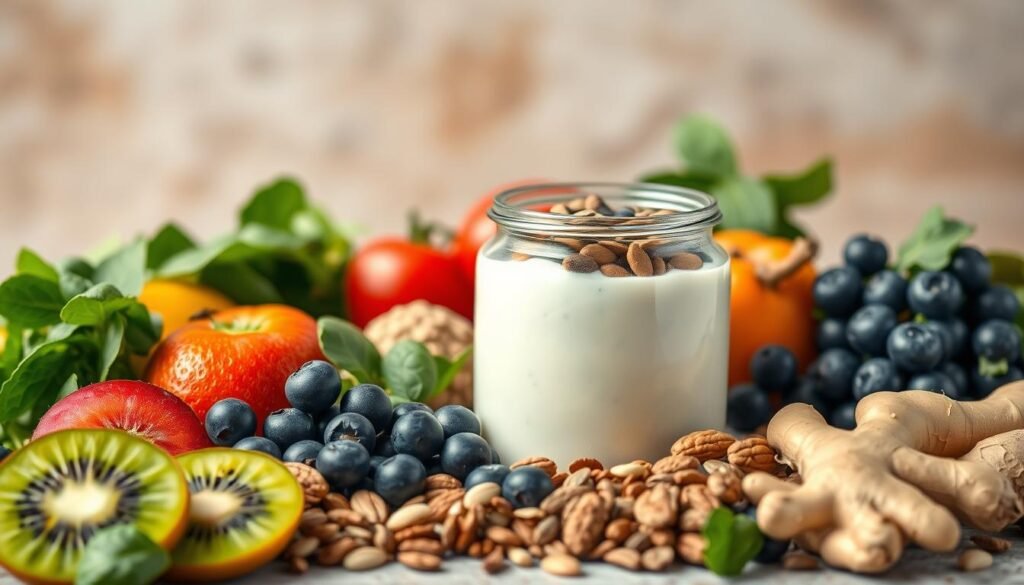

A staggering number of people suffer from gut-related issues, often due to an imbalance in their diet. Research has shown that a poor diet can significantly impact the composition of gut bacteria, leading to various health problems.
Your diet plays a crucial role in maintaining a healthy gut microbiome. Consuming the right foods can help reduce inflammation and support digestive wellness, while a poor diet can lead to gut dysbiosis.
Understanding the connection between your diet and gut health is essential for preventing chronic diseases and supporting your immune system.
Key Takeaways
- Discover how your diet directly impacts your gut microbiome and overall health.
- Learn about the science behind gut-friendly nutrition and its benefits.
- Explore easy-to-follow recipes that incorporate gut-healing ingredients.
- Understand the importance of diet in preventing chronic diseases.
- Find out how to support your immune system through balanced nutrition.
The Crucial Connection Between Diet and Gut Health
The intricate relationship between your diet and gut health is fundamental to understanding overall wellness. Your daily food choices have a profound impact on the composition and function of your gut microbiota, which in turn affects your overall health.
How Your Diet Influences Gut Microbiota
Your diet plays a crucial role in shaping the gut microbiota. The foods you consume provide nutrients not just for you, but also for the trillions of microorganisms living in your digestive tract. This symbiotic relationship is essential for maintaining a healthy gut.
Studies have shown that dietary changes can alter your gut bacterial profile within just 24-48 hours. For instance, a diet rich in fiber and unsaturated fatty acids promotes the growth of beneficial bacteria, while a diet high in processed foods and saturated fats can disrupt this balance.
- High-fiber, plant-rich diets promote beneficial bacteria that produce short-chain fatty acids, which help maintain gut barrier integrity and reduce inflammation throughout your body.
- Processed foods, excessive sugar, and high saturated fat intake can disrupt your gut microbiota balance, potentially leading to increased intestinal permeability (leaky gut) and systemic inflammation.
Research indicates that the diversity of your gut microbiota is directly correlated with dietary diversity. Eating a wide variety of foods supports a more resilient gut ecosystem, highlighting the importance of a balanced diet in maintaining gut health.
The Role of Gut Health in Overall Wellness
Your gut microbiome plays a vital role in various aspects of your overall wellness, including nutrient absorption, vitamin synthesis, immune function, and even neurotransmitter production. A healthy gut microbiome is essential for maintaining a strong immune system and preventing various diseases.
The gut-brain axis, a bidirectional communication network between your gut and brain, is influenced by the gut microbiota. An imbalance in gut microbiota, also known as dysbiosis, has been linked to various conditions, including mental health disorders and metabolic diseases.
“The gut microbiome is a key factor in the development and maintenance of overall health, and dietary interventions can significantly impact its composition and function.”
Maintaining a balanced gut microbiota through dietary choices is crucial for overall wellness. By understanding the connection between your diet and gut health, you can make informed decisions to support a healthy gut microbiome and overall well-being.
Understanding Your Gut Microbiome
Understanding your gut microbiome is key to unlocking the secrets of your digestive health and beyond. The gut microbiome is a complex ecosystem comprising trillions of microorganisms, including bacteria, viruses, fungi, archaea, and protozoans. This intricate community plays a vital role in maintaining your overall health, influencing everything from digestion and nutrient absorption to immune function and even mental well-being.
The Composition of a Healthy Gut
A healthy gut microbiome is characterized by a diverse array of microbial species. The human microbiota is predominantly composed of bacteria from the Firmicutes and Bacteroidetes phyla, with other significant genera including Lactobacillus, Bacillus, Clostridium, Enterococcus, Ruminococcus, Eubacterium, Faecalibacterium, and Roseburia. These beneficial microbes perform a range of essential functions, including fermenting dietary fiber, producing vital vitamins such as B vitamins and vitamin K, training your immune system, and protecting against harmful pathogens.
The balance between different bacterial communities in your gut is highly individualized and influenced by various factors, including your diet, genetics, age, medication use, and environment. For instance, a diet rich in fiber can promote the growth of beneficial bacteria, while the use of antibiotics can disrupt this delicate balance.
Signs of an Unhealthy Gut Microbiome
An imbalance in your gut microbiome, also known as dysbiosis, can manifest in various ways. Common signs of an unhealthy gut microbiome include digestive discomfort, irregular bowel movements, food intolerances, unexplained fatigue, skin issues, and mood disturbances due to the gut-brain connection.
Research has shown that reduced microbial diversity is associated with various health conditions, including inflammatory bowel disease, obesity, type 2 diabetes, and even neurological disorders. Maintaining a healthy gut microbiome requires a comprehensive approach that includes a balanced diet, a healthy lifestyle, and, when necessary, targeted interventions.
By understanding the composition and function of your gut microbiome, you can take proactive steps to support your overall health and well-being.
The Science Behind Anti-Inflammatory Foods and Gut Health
The science behind anti-inflammatory foods reveals their profound effect on gut health and overall well-being. Nutrition plays a critical role in the development of many diseases by triggering inflammation, a tightly controlled process involving the production of inflammatory mediators like cytokines and chemokines by both immune and non-immune cells. An inadequate inflammatory response is now understood to contribute to a wide range of metabolic and immunological disorders.
How Inflammation Affects Your Digestive System
Chronic inflammation in your digestive system can have far-reaching consequences, including damage to the gut lining, disruption of the balance of your gut microbiota, and impaired nutrient absorption. This creates a cycle that further promotes inflammation, potentially leading to conditions such as inflammatory bowel disease (IBD), which includes Crohn’s disease and ulcerative colitis. These conditions are characterized by excessive immune responses in the gut, influenced by dietary choices and gut microbial composition.
“A diet rich in anti-inflammatory compounds can significantly reduce the risk of developing inflammatory bowel conditions.” Research has shown that certain bioactive compounds found in foods can reduce inflammatory markers in clinical studies. For instance, polyphenols in berries and green tea, omega-3 fatty acids in fatty fish, and curcumin in turmeric have been shown to have anti-inflammatory effects.
Bioactive Compounds That Combat Inflammation
These anti-inflammatory compounds work through multiple mechanisms, including inhibiting pro-inflammatory signaling pathways, reducing oxidative stress, and promoting the growth of beneficial gut bacteria. Your gut microbiome plays a crucial role in metabolizing many of these bioactive compounds, transforming them into forms that can be more readily absorbed and utilized by your body.
For example, polyphenols are known to have a prebiotic effect, fostering the growth of beneficial bacteria in the gut. A study on the effects of polyphenol-rich foods on gut health found that they can increase the production of short-chain fatty acids, which are essential for maintaining a healthy gut lining.
- Certain foods, such as berries, green tea, and fatty fish, contain bioactive compounds that have anti-inflammatory properties.
- The gut microbiome is crucial for metabolizing these compounds, making them more effective.
- A diet diverse in plant foods provides a wide spectrum of anti-inflammatory compounds that work synergistically to support gut health.
By incorporating these foods into your diet, you can create a balanced gut environment that is less prone to inflammation. As research indicates, a diet rich in diverse plant foods is key to supporting gut health and reducing systemic inflammation.
Plant-Based Nutrition for Optimal Microbiome Health
The shift towards plant-based nutrition is not just a trend; it’s a scientifically-backed approach to optimizing your microbiome health. Plant-based diets have grown increasingly popular across the globe, mainly for their health and environmental benefits. Several studies have identified a link between plant-based diets and the decreased risk of developing cardiovascular diseases, obesity, and other health issues.
Benefits of Plant-Based Eating Patterns
Plant-based diets rich in fiber provide nourishment for beneficial gut bacteria, promoting the growth of species that produce short-chain fatty acids. These fatty acids support gut barrier function and reduce inflammation, leading to a healthier gut microbiome. Research shows that individuals following vegetarian or vegan dietary patterns typically have different gut microbiome compositions compared to those consuming omnivorous diets, with a greater abundance of bacteria associated with positive health outcomes.
The high content of polyphenols, antioxidants, and other phytonutrients in plant foods helps reduce oxidative stress and inflammation in your digestive system. This can lead to improved overall health and a reduced risk of chronic diseases. Furthermore, plant-based eating doesn’t necessarily mean eliminating all animal products; even increasing the proportion of plant foods in your diet can significantly benefit your gut microbiome and overall health.
Studies indicate that the diversity of plant foods in your diet may be more important than strictly following a particular dietary pattern. Consuming 30+ different plant foods weekly supports optimal microbiome diversity, which is crucial for maintaining a healthy gut.
Balancing Nutrients in a Plant-Forward Diet
When transitioning to a more plant-forward diet, it’s essential to ensure adequate intake of nutrients sometimes found in animal products, such as vitamin B12, iron, zinc, and omega-3 fatty acids. You can achieve this by consuming fortified foods or supplements, or by carefully planning your diet to include plant-based sources of these nutrients.
Key nutrients to focus on:
- Vitamin B12: Found in fortified plant milk, cereals, and nutritional yeast.
- Iron: Abundant in legumes, dark leafy greens, and fortified cereals.
- Zinc: Available in legumes, nuts, and seeds.
- Omega-3 fatty acids: Found in flaxseeds, chia seeds, and walnuts.
By being mindful of these nutrients and incorporating a variety of plant-based foods into your diet, you can maintain a balanced and nutritious plant-forward diet that supports optimal microbiome health.
Top Fiber-Rich Superfoods for Gut Health
To promote a balanced gut microbiota, it’s vital to consume a variety of fiber-rich superfoods. A high intake of fiber-rich diets, including fruits, legumes, and vegetables, provides a favorable environment for the growth of beneficial bacteria. These fibers are known as prebiotics, which serve as nourishment for the gut microbiota.
Prebiotic Foods That Nourish Beneficial Bacteria
Prebiotic fiber acts as food for your beneficial gut bacteria. Particularly powerful sources include Jerusalem artichokes, chicory root, garlic, onions, leeks, asparagus, bananas, and oats. These foods are rich in various types of fiber that feed different bacterial communities in your gut, supporting greater microbial diversity and resilience.
Legumes such as chickpeas, lentils, and beans are exceptional sources of both soluble and insoluble fiber. They provide sustained nourishment for diverse gut microbes while supporting regular bowel movements. Whole grains like barley, oats, and quinoa contain beta-glucans and other fibers that have been shown to increase beneficial Bifidobacteria and Lactobacilli in the gut.
Different types of fiber have various effects on gut health. For instance, fermentable fibers produce short-chain fatty acids like butyrate, which serves as the primary energy source for your colon cells and has anti-inflammatory effects throughout your body.
| Food | Type of Fiber | Benefit to Gut Health |
|---|---|---|
| Jerusalem Artichokes | Inulin | Nourishes beneficial bacteria |
| Legumes (Chickpeas, Lentils, Beans) | Soluble and Insoluble Fiber | Supports diverse gut microbes and regular bowel movements |
| Whole Grains (Barley, Oats, Quinoa) | Beta-glucans | Increases beneficial Bifidobacteria and Lactobacilli |
How to Gradually Increase Fiber Intake
When increasing your fiber intake, it’s essential to do so gradually to prevent digestive discomfort. Start by adding about 5g of fiber per week and increase your water consumption accordingly. This gradual approach allows your microbiome to adapt to the change.
Consuming a variety of fiber-rich foods is key to supporting greater microbial diversity and resilience. Include a mix of fruits, vegetables, legumes, and whole grains in your diet to achieve a balanced intake of different fiber types.
By focusing on fiber-rich superfoods and gradually increasing your fiber intake, you can create a favorable environment for beneficial bacteria to thrive, ultimately supporting your overall gut health and well-being.
Powerful Polyphenol-Rich Foods for Reducing Inflammation
Incorporating polyphenol-rich foods into your diet can be a game-changer for reducing inflammation and promoting overall health. Polyphenols are plant compounds with powerful antioxidant and anti-inflammatory properties that can significantly influence your gut microbiome composition and reduce systemic inflammation.
These compounds have been shown to promote a healthier microbiome by increasing the number of helpful bacteria and reducing the growth of harmful bacteria in the gut. They also have antimicrobial properties, influencing the diversity of the gut microbiota.
Berries, Nuts, and Seeds as Anti-Inflammatory Powerhouses
Berries, particularly blueberries, blackberries, and strawberries, are rich in anthocyanins and other polyphenols that have been shown to increase beneficial Bifidobacteria while reducing inflammatory markers in clinical studies. Nuts and seeds provide a combination of polyphenols, fiber, and healthy fats that work synergistically to support gut health.
Walnuts, flaxseeds, and chia seeds are particularly beneficial due to their high content of anti-inflammatory compounds. For example, walnuts contain a unique combination of polyphenols and omega-3 fatty acids that have been shown to reduce inflammation and improve gut health.
| Food | Polyphenol Content | Health Benefits |
|---|---|---|
| Blueberries | High in anthocyanins | Reduces inflammation, improves gut health |
| Walnuts | Rich in polyphenols and omega-3 fatty acids | Reduces inflammation, supports heart health |
| Chia Seeds | High in fiber and polyphenols | Supports gut health, reduces inflammation |
Herbs and Spices with Anti-Inflammatory Properties
Herbs and spices like turmeric, ginger, rosemary, and oregano contain concentrated amounts of anti-inflammatory compounds that can help modulate your immune response and protect your gut lining. Turmeric, for instance, contains curcumin, a powerful polyphenol with potent anti-inflammatory and antioxidant properties.
Ginger has been shown to reduce inflammation and improve digestion, while rosemary contains compounds that may help protect against neurodegenerative diseases.
Regular consumption of polyphenol-rich foods has been associated with reduced risk of inflammatory conditions, including cardiovascular disease, type 2 diabetes, and certain neurodegenerative disorders. By incorporating these foods into your diet, you can take a proactive approach to reducing inflammation and promoting overall health.
Probiotic Superfoods to Incorporate in Your Diet
Incorporating probiotic superfoods into your diet can significantly enhance your gut health. Probiotic-rich foods contain live beneficial bacteria that can temporarily colonize your gut, providing various health benefits. Research has shown that these foods can reduce inflammation markers and improve gut barrier function.
The beneficial bacteria in probiotic superfoods, such as bifidobacteria and Lactobacillus, have been shown to strengthen the immune system, reduce inflammation, and promote good digestion. By including a variety of probiotic-rich foods in your diet, you can support a diverse gut microbiome.
Fermented Foods and Their Benefits
Fermented foods are a rich source of probiotics and offer numerous health benefits. Traditional fermented foods worth incorporating into your diet include yogurt, kefir, sauerkraut, kimchi, miso, tempeh, and kombucha. Each of these foods contains different bacterial strains with unique benefits.
For example, yogurt contains Lactobacillus acidophilus and Bifidobacterium bifidum, which can help improve digestion and boost the immune system. Sauerkraut and kimchi are rich in Lactobacillus plantarum, a strain that has been shown to have anti-inflammatory properties.
- Fermented foods contain live beneficial bacteria that can temporarily colonize your gut and provide health benefits.
- Different fermented foods contain different bacterial species, so consuming a variety provides your gut with a broader spectrum of beneficial microbes.
- Even small daily portions of fermented foods (as little as 2-4 tablespoons) can have significant positive effects on your gut microbiome diversity and immune function.
How to Select and Store Probiotic Foods
When selecting probiotic foods, look for unpasteurized versions (except for dairy) with “live and active cultures” on the label. Check for signs of proper fermentation, such as a slightly sour taste and effervescence.
Proper storage is crucial for maintaining the viability of probiotic bacteria. Keep fermented vegetables refrigerated to slow down the fermentation process. Avoid heating probiotic foods above 115°F (46°C), as high temperatures can kill the beneficial bacteria. Consume probiotic foods before their expiration date to ensure maximum potency.
| Probiotic Food | Storage Tip | Benefit |
|---|---|---|
| Yogurt | Refrigerate | Rich in Lactobacillus acidophilus |
| Sauerkraut | Refrigerate | High in Lactobacillus plantarum |
| Kombucha | Store in a cool, dark place | Contains SCOBY with probiotic properties |
By incorporating these probiotic superfoods into your diet and storing them properly, you can support your gut health and overall well-being.
Omega-3 Rich Foods for Gut Barrier Function
Omega-3 fatty acids are essential for gut health, supporting the integrity of the gut barrier and reducing inflammation. Thesefatty acidsplay a crucial role in maintaining the balance of your gut microbiota.
Consuming oily fish, a cornerstone of the Mediterranean diet, helps maintain a balanced gut flora. Omega-3 fatty acids, abundant in fish like salmon and sardines, can alter the composition of the gut microbiota, encouraging the growth of helpful bacteria and lowering gut inflammation.
For those following plant-based or vegan diets, alpha-linolenic acid (ALA) from sources like flaxseeds, chia seeds, hemp seeds, and walnuts provides essential omega-3 fatty acids. These can be partially converted to EPA and DHA in your body, supporting gut health.
Plant Sources of Essential Fatty Acids
While fish is a well-known source of omega-3s, there are severalplant-based foodsthat can provide these essentialfatty acids. ALA, found in flaxseeds, chia seeds, and walnuts, is a precursor to EPA and DHA, which are crucial for gut health.
Incorporating these foods into your diet can help support the health of your gut. For instance, adding flaxseeds to your breakfast or snacking on walnuts can be simple ways to boost your omega-3 intake.

Balancing Omega-3 and Omega-6 Fatty Acids
The ratio of omega-6 to omega-3fatty acidsin yourdietsignificantly impacts inflammation levels. The typical Westerndietoften provides an imbalanced ratio, with some studies suggesting a ratio as high as 15:1. A healthier target is closer to 4:1.
| Food Source | Omega-3 Content | Omega-6 Content |
|---|---|---|
| Salmon | High | Low |
| Flaxseeds | High (ALA) | Low |
| Walnuts | High (ALA) | Moderate |
To achieve a better balance, it’s essential to increase your consumption of omega-3 rich foods while being mindful of your omega-6 intake. This balance is crucial for maintaining a healthy gut and reducing inflammation.
By understanding the importance of omega-3 fatty acids and how to incorporate them into your diet, you can take significant steps towards supporting your gut health and overall health.
Anti-Inflammatory Breakfast Recipes for Gut Health
Incorporating anti-inflammatory ingredients into your breakfast routine can be a game-changer for your gut health. The right breakfast choices can help reduce inflammation, support the balance of your gut microbiome, and provide sustained energy throughout the morning.
Your diet plays a crucial role in shaping your gut microbiome. By choosing foods that are rich in nutrients and anti-inflammatory compounds, you can support a healthy balance of gut bacteria. This, in turn, can lead to improved overall health and reduced inflammation in the body.
Overnight Oats with Gut-Healing Ingredients
One simple and effective way to start your day with an anti-inflammatory breakfast is by preparing overnight oats with gut-healing ingredients. Oats are a rich source of prebiotic fiber, which helps nourish beneficial bacteria in the gut. By combining oats with ingredients like berries, cinnamon, and ground flaxseeds, you can create a breakfast that not only tastes great but also supports your gut health.
To enhance the gut-healing benefits of your overnight oats, consider adding ingredients like sliced banana (rich in resistant starch), walnuts (a source of ALA omega-3s), and a touch of raw honey (containing prebiotic oligosaccharides). These additions can further support the health of your gut microbiome.
- Combine 1/2 cup of rolled oats with 1/2 cup of unsweetened almond milk in a jar.
- Add 1/4 cup of mixed berries and a sprinkle of cinnamon.
- Top with sliced banana and a drizzle of raw honey in the morning.
Probiotic Smoothie Bowls and Breakfast Parfaits
Another delicious and gut-friendly breakfast option is a probiotic smoothie bowl or breakfast parfait. By incorporating unsweetened yogurt or kefir, you can introduce live beneficial bacteria into your gut, supporting a healthy microbiome. Adding frozen berries, leafy greens, and chia seeds provides a boost of polyphenols, fiber, and nutrients.
For a breakfast parfait, layer fermented dairy or plant-based yogurt with homemade granola and fresh fruit. This combination offers a balance of probiotics, prebiotics, and anti-inflammatory compounds that can help support your gut health and overall well-being.
| Breakfast Option | Key Ingredients | Benefits |
|---|---|---|
| Overnight Oats | Oats, berries, cinnamon, ground flaxseeds | Prebiotic fiber, anti-inflammatory compounds |
| Probiotic Smoothie Bowl | Unsweetened yogurt or kefir, frozen berries, leafy greens, chia seeds | Live beneficial bacteria, polyphenols, fiber |
| Breakfast Parfait | Fermented dairy or plant-based yogurt, homemade granola, fresh fruit | Probiotics, prebiotics, anti-inflammatory compounds |
By incorporating these anti-inflammatory breakfast recipes into your daily routine, you can take a proactive step towards supporting your gut health and overall nutrition. Whether you prefer the convenience of overnight oats or the creativity of smoothie bowls and parfaits, there are numerous ways to start your day on a gut-friendly note.
Gut-Friendly Lunch and Dinner Recipes
Maintaining a healthy gut microbiome requires a balanced diet, and here are some tasty lunch and dinner options to help you achieve that. Incorporating a variety of whole, nutrient-dense foods into your meals can significantly support your gut health. A plant-based diet rich in fruits, vegetables, whole grains, and legumes provides the necessary fiber and nutrients for optimal gut function.
Plant-Based Buddha Bowls with Fermented Toppings
Plant-based Buddha bowls offer a versatile and nutrient-dense meal format that combines multiple gut-supporting food groups, including whole grains, legumes, vegetables, and fermented toppings. Creating a balanced Buddha bowl with a base of quinoa or brown rice, protein from lentils or tofu, an array of colorful vegetables, and toppings like kimchi or sauerkraut provides a complete meal rich in fiber, plant protein, and probiotics.
To assemble your Buddha bowl, start with a whole grain base, add a source of plant protein, and include a variety of vegetables. Top with fermented foods like kimchi or sauerkraut for an added probiotic boost. This meal format allows for endless creativity and ensures you’re getting a broad spectrum of nutrients.
Anti-Inflammatory Soups and Stews
Anti-inflammatory soups and stews that incorporate turmeric, ginger, garlic, and an abundance of vegetables create nourishing one-pot meals that are gentle on your digestive system while providing powerful healing compounds. These recipes are not only comforting but also packed with nutrients that support gut health and reduce inflammation.
Legume-based soups like lentil, split pea, or black bean provide plant protein along with prebiotic fiber that feeds beneficial gut bacteria and supports regular elimination. Incorporating fermented ingredients like miso paste into broths or adding a dollop of yogurt to finished soups adds probiotic benefits while enhancing flavor complexity.
These recipes can be batch-cooked and frozen for convenient gut-friendly meals throughout the week, making it easier to maintain healthy eating habits even during busy periods. By incorporating these gut-friendly lunch and dinner recipes into your meal rotation, you’ll be supporting your overall health and well-being through the power of nutrition.
Snacks and Sides That Support Digestive Health
Snacking strategically can play a significant role in supporting your gut health and overall well-being. By choosing the right foods, you can maintain stable blood sugar levels and provide a steady supply of nutrients for your beneficial gut bacteria throughout the day.
Incorporating prebiotic-rich snacks into your diet is an effective way to nourish your gut microbiome. These snacks can be both nutritious and delicious, making it easier to support your digestive health.
Quick Prebiotic-Rich Snack Ideas
Prebiotic-rich foods are essential for feeding the good bacteria in your gut, promoting a healthy gut microbiome. Some quick and easy snack ideas include:
- Apple slices paired with almond butter, providing a mix of fiber and healthy fats.
- A small handful of mixed nuts and dried fruits, offering a blend of prebiotic fibers and antioxidants.
- Roasted chickpeas seasoned with herbs and spices, serving as a crunchy and nutritious snack.
- Vegetable sticks with hummus, a classic combination that supports gut health with prebiotic fibers and healthy fats.
Another convenient option is homemade energy balls made with dates, nuts, seeds, and spices like cinnamon or cardamom. These bites provide concentrated nutrition with fiber, healthy fats, and plant protein, making them an ideal snack for on-the-go.
Gut-Friendly Dips and Spreads
Gut-friendly dips and spreads are not only delicious but also offer a great way to support your digestive health. Options like hummus, baba ganoush, tzatziki, and guacamole are rich in nutrients and can be paired with vegetable crudités or whole grain crackers for a satisfying snack.
Additionally, incorporating fermented vegetable sides into your meals or snack plates can enhance flavor and support gut health. Small portions of kimchi, sauerkraut, or pickled vegetables can be used as condiments or added to snack plates for an extra nutritional boost.
Being mindful of portion sizes is crucial when snacking to prevent overconsumption while still benefiting from increased food diversity and more frequent nourishment for your gut microbiome.
By making informed choices about your snacks and sides, you can take a proactive approach to supporting your gut health and overall well-being.
Desserts and Treats with Anti-Inflammatory Benefits
You can satisfy your sweet tooth while nurturing your gut health by choosing desserts rich in anti-inflammatory compounds. The key is to focus on ingredients that not only taste great but also support your microbiome and reduce inflammation.
Many traditional desserts are laden with refined sugars and unhealthy fats that can disrupt gut balance. However, by making a few simple swaps and incorporating gut-friendly ingredients, you can enjoy delicious treats that actually benefit your digestive health.

Natural Sweeteners That Won’t Disrupt Gut Balance
When it comes to sweetening your desserts, opting for natural alternatives can make a significant difference in maintaining gut health. Unlike refined sugar, natural sweeteners often come with additional nutritional benefits.
Consider using raw honey, which contains prebiotic fibers that help nourish beneficial gut bacteria. Maple syrup, particularly Grade B, is another good option as it contains more minerals than its Grade A counterpart. Dates and date syrup are also excellent choices, providing sweetness along with fiber and antioxidants.
- Raw honey offers antimicrobial properties and can soothe digestive issues.
- Maple syrup contains minerals like manganese and zinc, which are important for overall health.
- Dates are rich in fiber, which can help regulate bowel movements and support the growth of beneficial gut bacteria.
Polyphenol-Rich Dessert Recipes
Polyphenols are powerful antioxidants that can help reduce inflammation and promote a healthy gut microbiome. Incorporating polyphenol-rich ingredients into your desserts is a great way to make them more gut-friendly.
Dark chocolate with at least 70% cocoa content is a great example. It contains polyphenols that act as prebiotics, supporting the growth of beneficial bacteria. Berries such as blueberries, raspberries, and strawberries are also high in polyphenols and can be used in a variety of desserts, from crumbles to chia puddings.
Incorporating anti-inflammatory spices like cinnamon, ginger, and turmeric into your desserts can add flavor and enhance their gut-supporting properties. For instance, adding a sprinkle of cinnamon to your dark chocolate mousse or ginger to your pear compote can make your desserts not only delicious but also beneficial for your gut health.
| Dessert Ingredient | Polyphenol Content | Gut Health Benefit |
|---|---|---|
| Dark Chocolate (70%+ cocoa) | High | Prebiotic effects, reduces inflammation |
| Berries (blueberries, raspberries, strawberries) | High | Antioxidant benefits, supports beneficial bacteria |
| Cinnamon | Moderate | Anti-inflammatory properties |
By thoughtfully selecting ingredients and being mindful of the sweeteners and spices you use, you can create desserts that not only satisfy your sweet tooth but also support your gut health. Experiment with different combinations to find your new favorite gut-friendly treats.
Creating a Balanced Meal Plan for Optimal Gut Health
Creating a balanced diet that supports gut health involves more than just choosing the right foods; it requires a strategic approach to meal planning. A well-crafted meal plan can help ensure that you’re consuming a diverse range of nutrients necessary for maintaining a healthy gut microbiome.
Effective meal planning for gut health involves several key strategies. First, it’s crucial to ensure a diversity of plant foods in your diet. This means including a wide variety of fruits, vegetables, whole grains, legumes, nuts, and seeds in your meals. The Mediterranean diet, which emphasizes whole foods and healthy fats, is a good model to follow.
Weekly Meal Planning Strategies
To start, adopt a flexible approach that incorporates principles from gut-friendly dietary patterns. This could involve planning your meals around seasonal produce to ensure freshness and variety. Aim to include at least 30 different plant foods in your diet weekly to support microbiome diversity.
Some effective strategies for weekly meal planning include:
- Incorporating fermented foods like yogurt, sauerkraut, and kimchi into your meals to support gut health.
- Batch cooking gut-friendly staples such as whole grains, legumes, and roasted vegetables at the beginning of the week.
- Minimizing processed ingredients and added sugars in your meals.
- Preparing homemade dressings and sauces to control the ingredients and nutritional content.
Balancing Macronutrients and Micronutrients
Balancing your macronutrients is also crucial. Ensure you’re getting adequate protein from plant or animal-based sources, healthy fats emphasizing omega-3s and monounsaturated fats, and complex carbohydrates from whole food sources. Paying attention to micronutrients that support gut health, such as zinc, vitamin D, vitamin A, and B vitamins, is equally important.
These micronutrients play significant roles in maintaining gut barrier integrity and immune function. For example, zinc helps in wound healing and protein synthesis, while vitamin D is important for immune system regulation.
To achieve this balance, consider the following tips:
- Include a source of protein in every meal, such as beans, lentils, or lean meats.
- Use healthy fats like olive oil, avocado, and nuts in your cooking.
- Choose complex carbohydrates such as whole grains, fruits, and vegetables.
- Be mindful of your micronutrient intake by consuming a variety of colorful vegetables and fruits.
By following these strategies and being consistent, you can create a balanced meal plan that supports optimal gut health and overall well-being.
Lifestyle Factors That Complement Gut-Friendly Eating
Maintaining a balanced gut microbiome requires attention to several lifestyle factors beyond just your diet. While nutrition plays a critical role in gut health, other elements such as sleep quality, stress management, and physical activity significantly impact your gut microbiome composition and overall well-being.
The Impact of Sleep and Stress on Gut Health
Chronic stress and poor sleep quality can have detrimental effects on your gut health. Stress activates your sympathetic nervous system, often referred to as the “fight or flight” response, which can reduce blood flow to your digestive system, alter gut motility, and increase intestinal permeability. This can negatively affect your microbiome, leading to potential health issues.
Stress Management Techniques such as mindfulness practices, deep breathing exercises, and adequate sleep hygiene can support your gut health by reducing stress hormones that negatively impact digestive function. As noted by a study, “Stress, medications, and nutrition all have an important effect on the microbiota of the gut, and imbalances in this population have been linked to mental health problems.”
“The gut-brain axis is a well-known concept, and their relationship is discussed in this review article. The microbiota-gut-brain axis refers to the mutually beneficial interaction between the gut bacteria, the gut, and the brain.”
Poor sleep quality has been linked to reduced microbial diversity and altered gut bacterial composition. Research indicates that even short-term sleep disruption can impact your gut health. Therefore, prioritizing good sleep hygiene is crucial for maintaining a healthy gut microbiome.
Physical Activity and Its Effect on the Microbiome
Regular moderate exercise has been shown to increase microbial diversity and the production of beneficial short-chain fatty acids. Studies indicate that the benefits of exercise on the gut microbiome are independent of diet. However, finding the right balance of exercise intensity is important, as excessive high-intensity exercise without adequate recovery can increase intestinal permeability and inflammation in some individuals.
Incorporating physical activity into your daily routine can be as simple as taking a brisk walk, practicing yoga, or engaging in other forms of moderate exercise. As part of a comprehensive approach to gut health, regular physical activity can support a balanced gut microbiome and overall well-being.
By understanding the impact of lifestyle factors on gut health, you can take a more holistic approach to maintaining a balanced gut microbiome. This includes being mindful of your diet, managing stress, prioritizing sleep, and incorporating regular physical activity into your daily routine.
Common Mistakes to Avoid When Improving Gut Health
The journey to better gut health is often fraught with errors that can hinder progress and overall health. As you strive to improve your gut health, understanding the common mistakes to avoid can significantly enhance your efforts. Dysbiosis, or an imbalance in the gut microbiome, can result from various factors including poor diet, stress, antibiotics, or certain diseases. This condition has been linked to increased inflammation, altered immunological responses, and a higher risk of developing illnesses such as metabolic disorders, obesity, and inflammatory bowel disease.
To effectively improve your gut health, it’s essential to be aware of the pitfalls that can disrupt your progress. Making too many dietary changes simultaneously is a common mistake that can cause digestive distress and make it challenging to identify which changes are beneficial for your unique microbiome. A more effective approach is to make gradual changes, allowing your gut microbiome to adjust and respond positively.
Overconsumption of Processed Foods and Additives
One of the significant mistakes individuals make when trying to improve their gut health is the overconsumption of processed foods and additives. Artificial sweeteners, emulsifiers, and preservatives found in these foods can disrupt your gut microbiome. Studies have shown that these substances may reduce beneficial bacterial populations and increase gut permeability, leading to various health issues.
Processed foods often contain a cocktail of additives that can negatively impact your gut health. For instance, artificial sweeteners like aspartame and sucralose can alter the gut microbiota, while emulsifiers such as polysorbate 80 can increase inflammation. Being mindful of the foods you consume and opting for whole, nutrient-dense foods can help mitigate these negative effects.
Misuse of Antibiotics and Other Medications
Another critical mistake is the misuse or overuse of antibiotics without medical necessity. Antibiotics can have long-lasting effects on your gut microbiome, with research indicating that some bacterial populations may not fully recover even months after treatment. It’s crucial to use antibiotics judiciously and only when prescribed by a healthcare professional.
In addition to antibiotics, other medications such as proton pump inhibitors (PPIs) and nonsteroidal anti-inflammatory drugs (NSAIDs) can also impact gut health. PPIs can alter the gut microbiota by reducing stomach acid, while NSAIDs can cause gut inflammation and increase permeability. Being aware of the potential effects of these medications on your gut health can help you make informed decisions about your treatment options.
By avoiding these common mistakes and adopting a balanced approach to improving gut health, you can create a more favorable environment for your gut microbiome to thrive. This includes focusing on a diverse diet rich in fiber, being cautious with the use of medications, and making gradual lifestyle changes.
Conclusion: Embracing a Gut-Friendly Lifestyle for Long-Term Health
As you conclude this comprehensive guide, it’s clear that embracing a gut-friendly lifestyle is crucial for long-term health and wellbeing. Throughout this article, you’ve learned how the foods you eat directly influence your gut microbiome composition and function, with plant-based diets consistently showing benefits for gut bacterial diversity and reduced inflammation.
Research demonstrates that embracing a diet rich in fiber, polyphenols, and fermented foods while limiting processed foods, added sugars, and excessive animal products can significantly improve your gut health and reduce disease risk. The evidence supporting the connection between gut health and chronic conditions like inflammatory bowel disease, cardiovascular disease, type 2 diabetes, and obesity continues to grow, highlighting the importance of proactive dietary choices.
Rather than viewing gut-friendly eating as a short-term intervention, consider it a sustainable lifestyle approach that can be adapted to your personal preferences, cultural background, and specific health needs. Small, consistent changes often yield better long-term results than dramatic dietary overhauls. Gradually increasing plant food diversity, incorporating fermented foods, and mindfully reducing ultra-processed foods can lead to meaningful improvements.
As research in this field continues to evolve, staying informed about emerging evidence while focusing on the well-established principles of gut-friendly eating will help you navigate nutritional information and make choices that support your long-term health and wellbeing. By adopting a gut-friendly lifestyle, you’re not just improving your digestive health; you’re investing in your overall health and reducing the risk of chronic diseases.
Remember, the key to a successful transition is making informed, gradual changes that you can maintain in the long term. By doing so, you’ll be better equipped to support your gut health and overall wellbeing, leading to a healthier, more balanced life.